2/17/2026
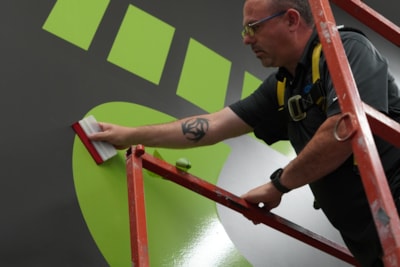
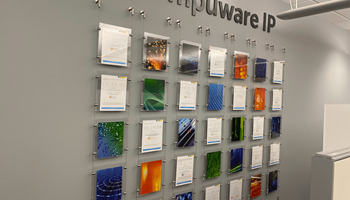
Large-format wall graphics have become a central element of modern branding. Corporate offices, retail environments, schools and healthcare facilities increasingly use environmental graphics to communicate identity and enhance the customer experience. According to the International Sign Association, demand for interior environmental graphics has grown steadily over the past five years, with many sign shops reporting double-digit increases in mural and wall wrap projects.
For sign shop owners, this growth presents opportunity along with new operational decisions. Producing a high-quality graphic is only part of the process. Proper installation plays a significant role in how that graphic performs over time and how the finished project is perceived by the client. Understanding when to involve a professional installer can help protect project quality, timelines and client relationships.
This guide outlines common scenarios where working with a professional graphic installation partner makes sense, the risks associated with handling complex installations in-house and how installation support can strengthen a sign shop’s workflow and reputation.
Large-format wall graphics often appear simple once installed, but the installation process itself can be demanding. These projects frequently involve multi-panel alignment, inconsistent wall surfaces and environmental factors such as temperature, humidity and airflow. Specialty materials like textured vinyl or fabric add another layer of complexity, particularly when graphics are installed in highly visible areas where imperfections are easily noticed.
Even experienced production teams may find the installation phase challenging when working at scale or in unfamiliar environments. A 2023 SGIA survey found that more than 60 percent of sign shops outsource at least some installation work, most often due to labor limitations or project complexity.
Not every installation requires outside support, but certain conditions make professional installation a practical and efficient choice.
Large murals, multi-wall wraps and multi-panel designs require precise seam matching, careful layout and advanced trimming techniques. Specialized tools and experience are often needed to execute these installs cleanly and efficiently.
If your team does not regularly install large-format graphics, the risk of misalignment, bubbles or visible seams increases. Partnering with an installer who routinely handles these types of projects can help reduce rework and protect material investment.
Surfaces such as brick, concrete, stucco and textured drywall behave very differently from smooth painted walls. Successful installation depends on understanding surface porosity, moisture conditions, paint type and potential contaminants.
Professional installers are trained to assess these variables before installation begins. This evaluation helps prevent adhesion failures and reduces the likelihood of costly reprints or callbacks.
Retail, healthcare and corporate branding initiatives often span multiple locations. These projects require consistency across sites while adhering to individual facility schedules and requirements. Coordinating installations internally can place a strain on production teams and project managers.
Installation partners, including companies like True Install, often support rollout coordination, on-site communication and standardized installation practices. This allows sign shops to maintain consistent quality without overextending internal resources.
Certain job sites require OSHA training, lift certifications or site-specific safety documentation. Managing these requirements internally can add time and liability to a project.
Professional installers typically maintain current certifications and are familiar with compliance expectations, reducing risk for the sign shop and helping projects move forward without delays.
Installation issues affect more than a single job. Visible flaws, delays or damage to facilities can undermine client confidence. Working with a vetted local installer or an established installation partner helps ensure the final result aligns with the quality standards your shop is known for.
Handling every installation internally may seem cost effective, but there are often indirect costs that are easy to overlook. Common challenges include material waste caused by misalignment or adhesion issues, labor overruns when installations take longer than planned and accidental damage to walls or fixtures.
Client dissatisfaction can lead to reprints, refunds or strained relationships. Additionally, pulling production staff away from the shop for extended on-site work can reduce overall productivity.
Industry estimates suggest that installation errors can reduce project profitability by 20 to 40 percent depending on material costs and labor time. Outsourcing select installations allows sign shops to focus on design, production, sales and customer service, where they often deliver the most value.
Professional installers often contribute more than the final application. Their involvement can improve planning, coordination and execution throughout the project lifecycle.
While permitting is typically outside an installer’s scope, many installation partners assist with site surveys, surface evaluations and environmental assessments. This information helps production teams plan accurately and avoid unexpected challenges during installation.
Large-format wall graphics often interact with lighting, displays or architectural features. Installers with experience in these environments can help ensure graphics align properly with surrounding elements and maintain the intended visual impact.
Installers frequently coordinate with facility managers, contractors and brand teams during installation. Clear on-site communication helps reduce friction and keeps projects on schedule.
For sign shops serving regional or national clients, installers with rollout experience can help manage scheduling, documentation and consistency across locations. This support simplifies communication and reduces administrative burden.
When choosing an installation partner, consider their experience with large-format graphics, geographic coverage and communication practices. Safety training and compliance should align with the environments you work in. Industry references and peer recommendations can also provide insight into reliability and consistency.
Large-format wall graphics are among the most visible elements of a client’s branded environment. When a project becomes complex, high-risk or outside your team’s regular scope, working with a professional installer is a practical decision that supports quality and efficiency.
Installation partners like True Install are designed to support sign shops by extending capabilities, reducing risk and enabling shops to take on larger or more demanding projects with confidence. Knowing when to bring in support strengthens your operation and helps ensure every project reflects the level of craftsmanship your clients expect.